
Bubble Tea Business Insights
Recipes & Industry Tips
The milk tea industry is experiencing rapid growth, with countless entrepreneurs eager to tap into this thriving market. To stay competitive, it's essential to keep up with the latest trends and apply expert strategies.
At Hojalicious, we understand the challenges and opportunities that come with running a milk tea business. Our blog is dedicated to providing you with the insights, tips, and resources you need to succeed.
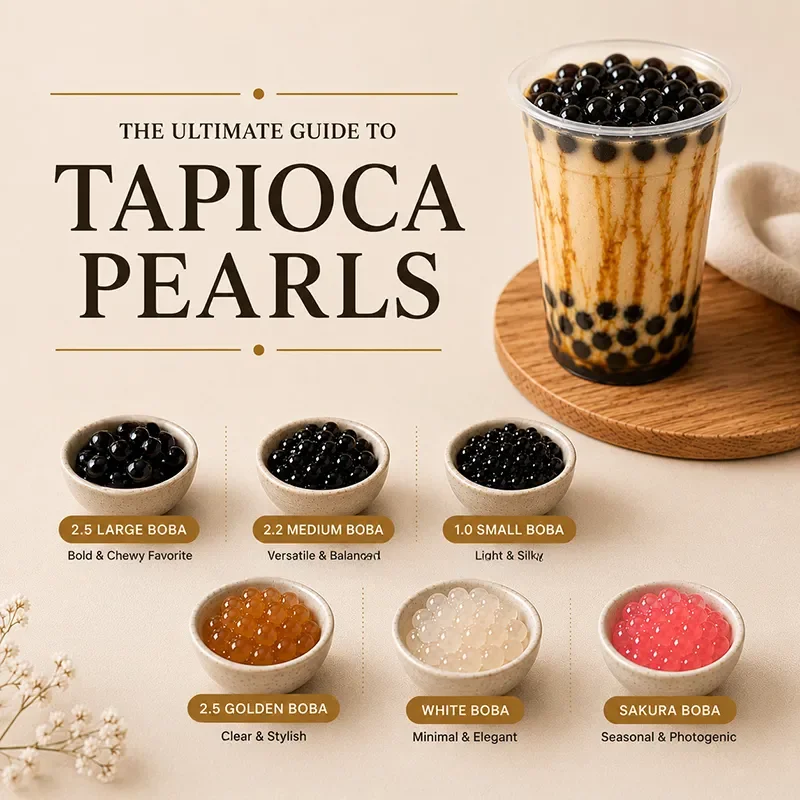
Tapioca Pearls Drink: Commercial Beverage Guide
Tapioca pearls are more than a classic topping. Different types, sizes, colors, and textures can create distinct beverage experiences. Explore the characteristics and applications of tapioca pearls and discover new possibilities for beverage and menu development.
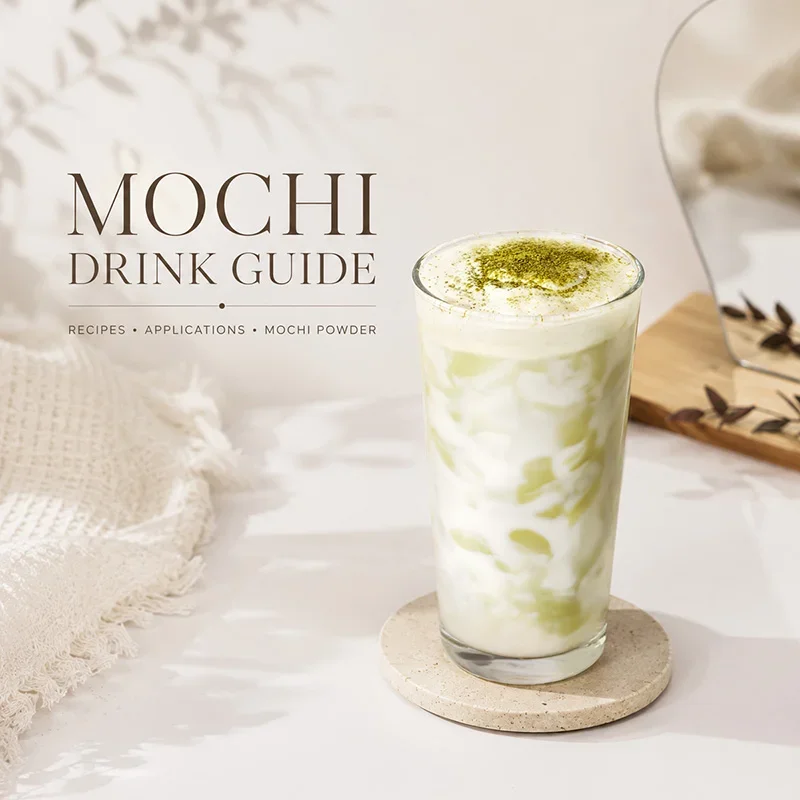
Mochi Drink Guide: Recipes, Applications & Mochi Powder
Mochi powder opens up new possibilities for texture-driven beverage development. From understanding its unique characteristics to exploring its use in mochi drinks, milk tea, matcha, and specialty beverages, discover how cafés and beverage brands can turn mochi into a distinctive menu concept.
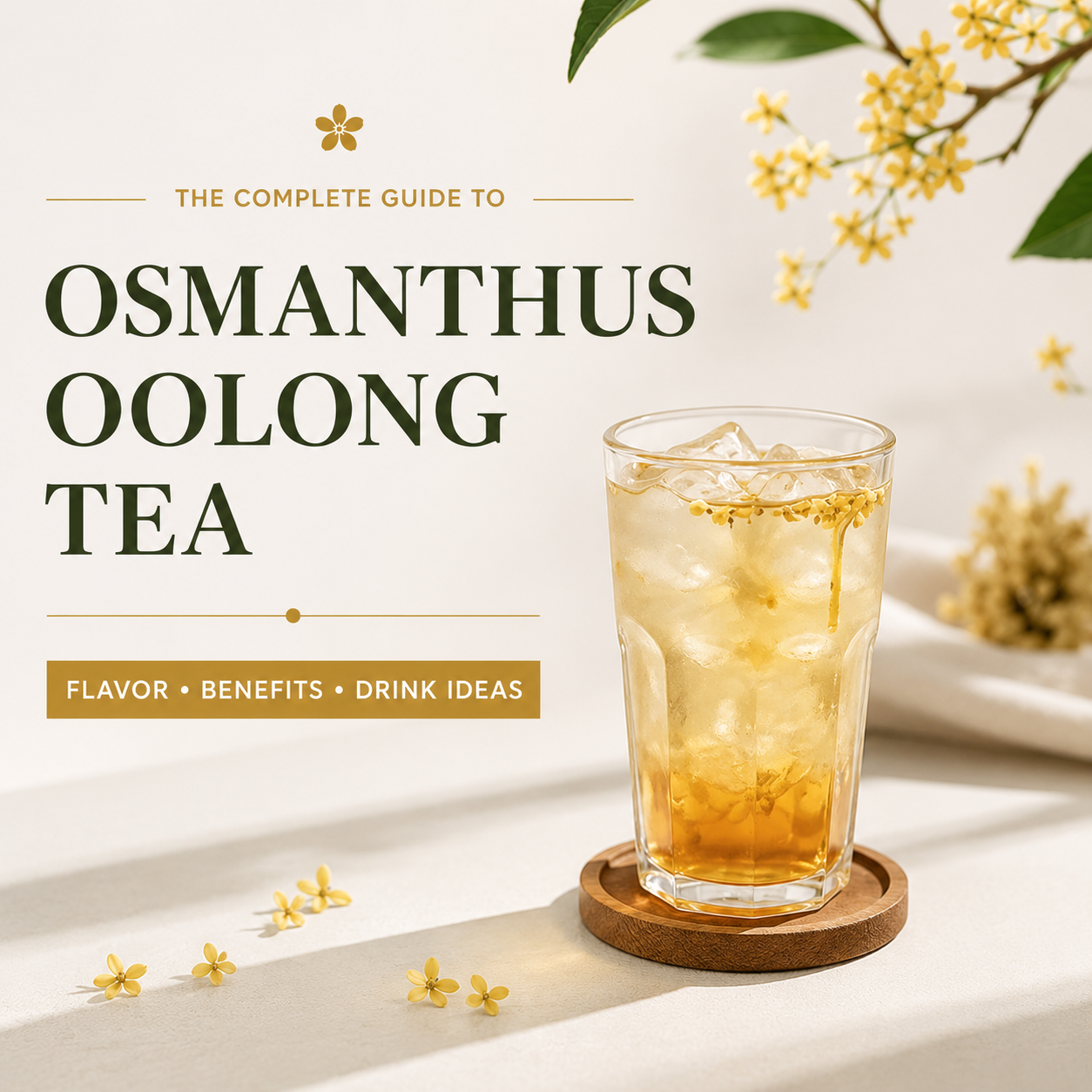
Osmanthus Oolong Tea for Bubble Tea: Commercial Guide
Osmanthus Oolong Tea has become a popular tea base for bubble tea, milk tea, fruit tea, and specialty beverages. Learn what makes this floral oolong unique, how beverage brands use it in menu development, and what to consider when sourcing a reliable commercial tea supplier.
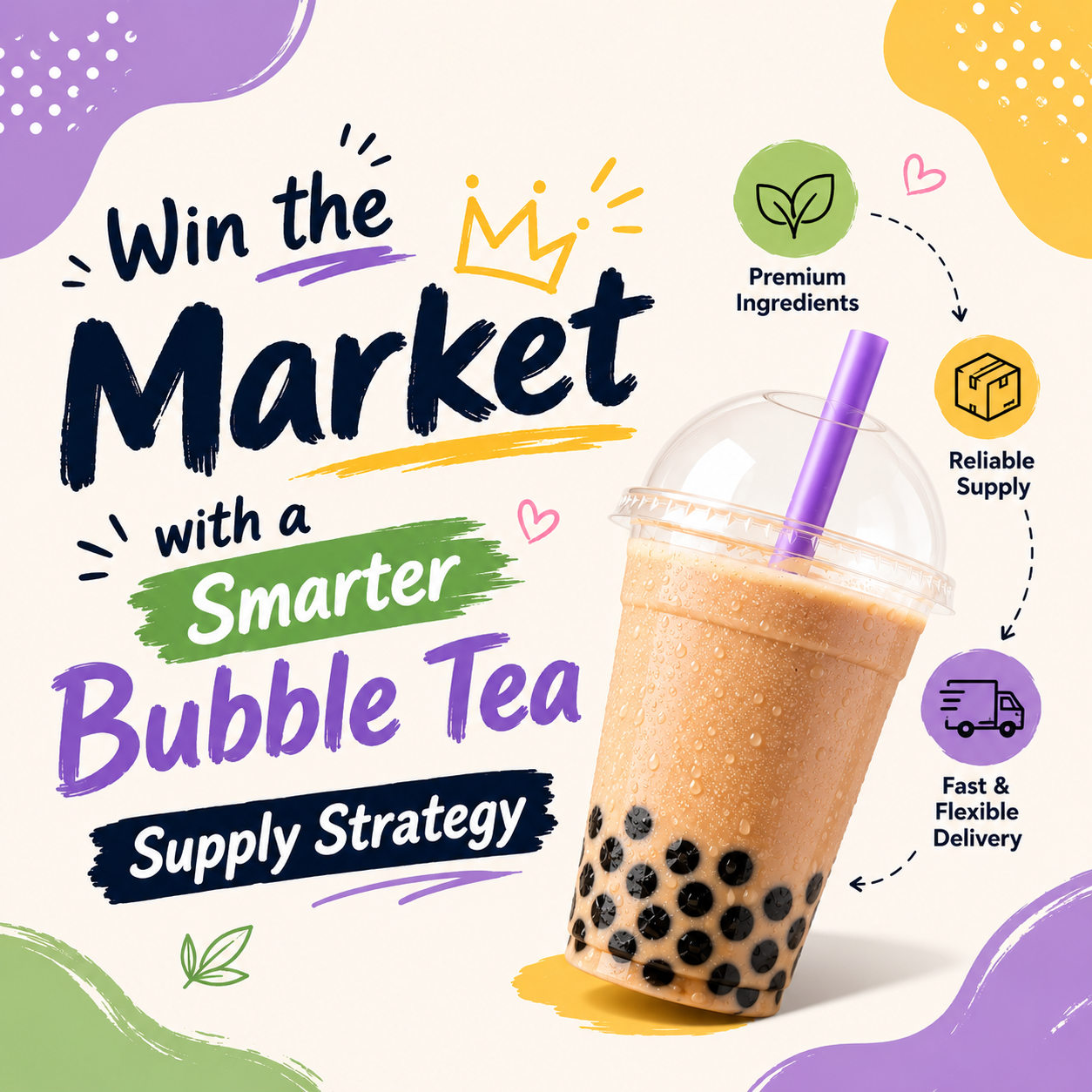
Win the 2026 Market with Smarter Bubble Tea Supply
In 2026, the beverage industry is no longer won at the counter, but in the architecture of your back-end systems. As global tariffs shift and labor costs in the U.S. soar, Hojalicious introduces the "Supply Chain Architect" framework. Discover how to transform complex inventory into a standardized growth engine. From risk hedging to extreme operational efficiency, we don’t just provide ingredients; we build the foundation for your global empire.
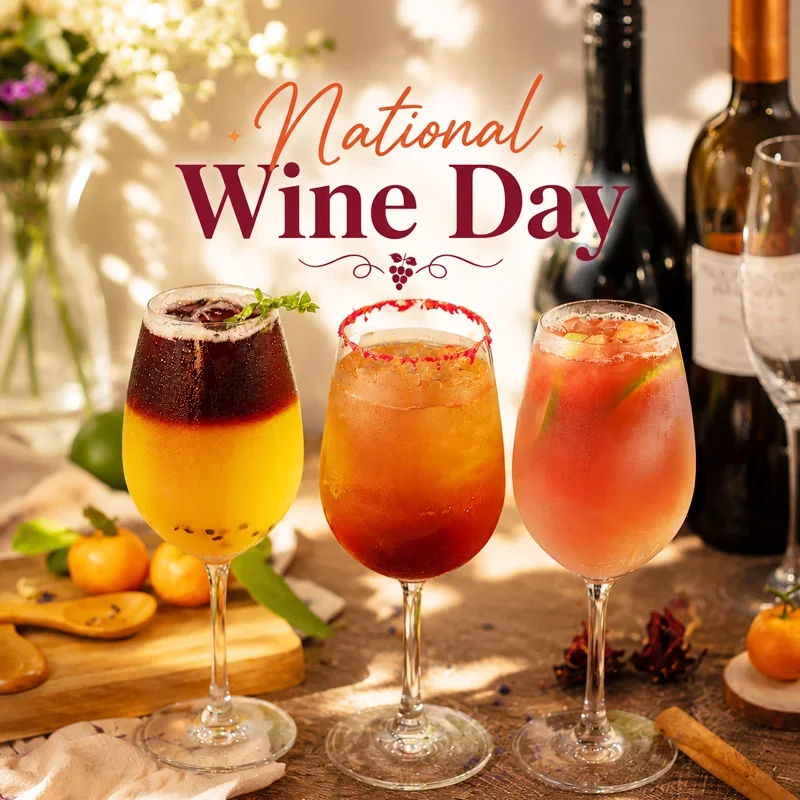
National Wine Day: Chic Beverage Menu Ideas with Bubble Tea
Ready to turn these beverage menu ideas into your next best-selling reality for National Wine Day?
Whether you’re crafting effortless non alcoholic cocktails or designing a signature sparkling fruit tea lineup that steals the social media spotlight, Hojalicious provides the taste consistency and premium flair your brand deserves. Don't let your competitors launch it first—click below to unlock your ultimate seasonal drink inspirations today!
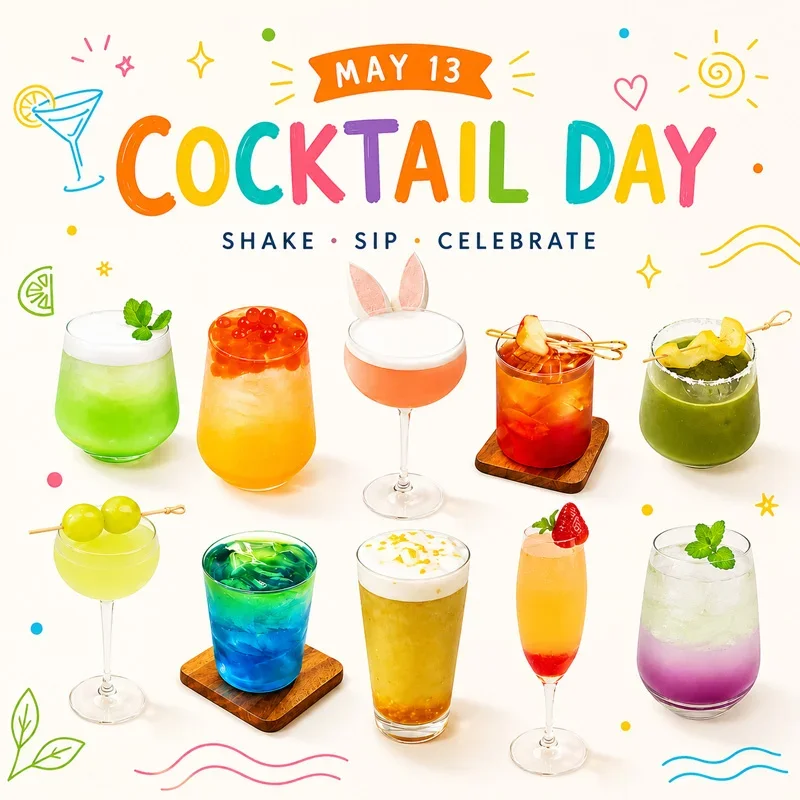
International Cocktail Day | Modern Cocktail Menu Trends
International Cocktail Day is more than a celebration of mixology culture — it also reflects the rise of modern tipsy lifestyle experiences. From fruity cocktails and tea-infused drinks to visually stunning signature creations, today’s cocktail menu ideas focus increasingly on flavor layering, visual aesthetics, and social atmosphere. Hojalicious presents a curated collection of creative cocktail inspirations featuring fruits, tea aromas, floral elements, and sparkling textures, bringing modern mixology and signature drink menu ideas to bars, cafés, hotels, and hospitality brands.
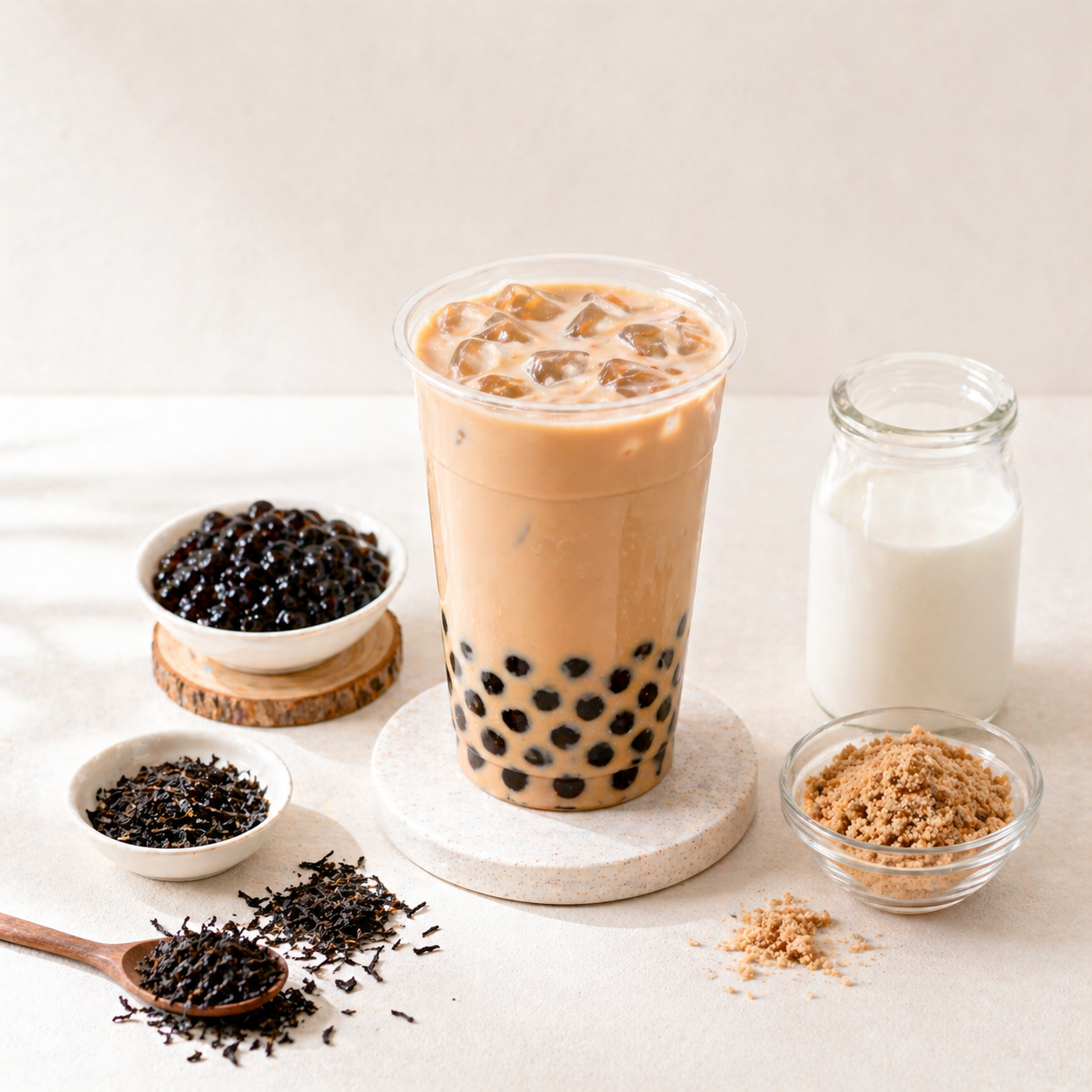
International Bubble Tea Day: Best Recipes & Drink Ideas
Celebrate International Bubble Tea Day with the most popular bubble tea recipes and creative drink ideas. From classic milk tea to brown sugar boba and innovative flavor variations, explore how to create high-quality drinks and expand your beverage menu with ease.


St Patrick’s Day Drinks to Celebrate in Green
To celebrate St. Patrick’s Day, Hojalicious presents four exclusive green-themed drinks and desserts to make your festivities even more joyful! From the sophisticated Matcha Margarita to the fruity and refreshing White Grape Sake, each treat is crafted with unique flavors and vibrant presentation to bring luck and delight to your celebration! 🍀💚

Brewing Success: Bubble Tea Ingredient Sourcing(2026 Update)
Stop buying by the kilo. Start sourcing by the system. 📊
Ingredients account for up to 45% of your costs—improving sourcing efficiency by just 5% can transform your bottom line. We break down the 4-step framework for a professional sourcing strategy: from Technical Specifications to 30-minute delivery stress tests.
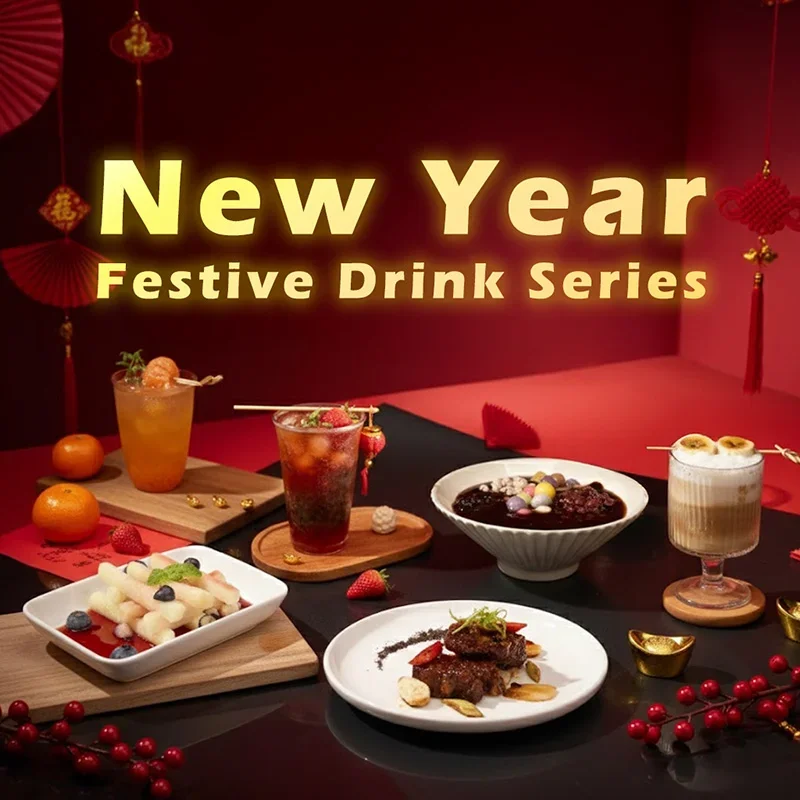
New Year Festive Drink Series for Commercial Menus|Global Seasonal Beverage Applications
This New Year Festive Drink Series showcases commercial beverage and menu applications designed for New Year and seasonal campaigns, helping brands transform festive concepts into scalable, market-ready menus.
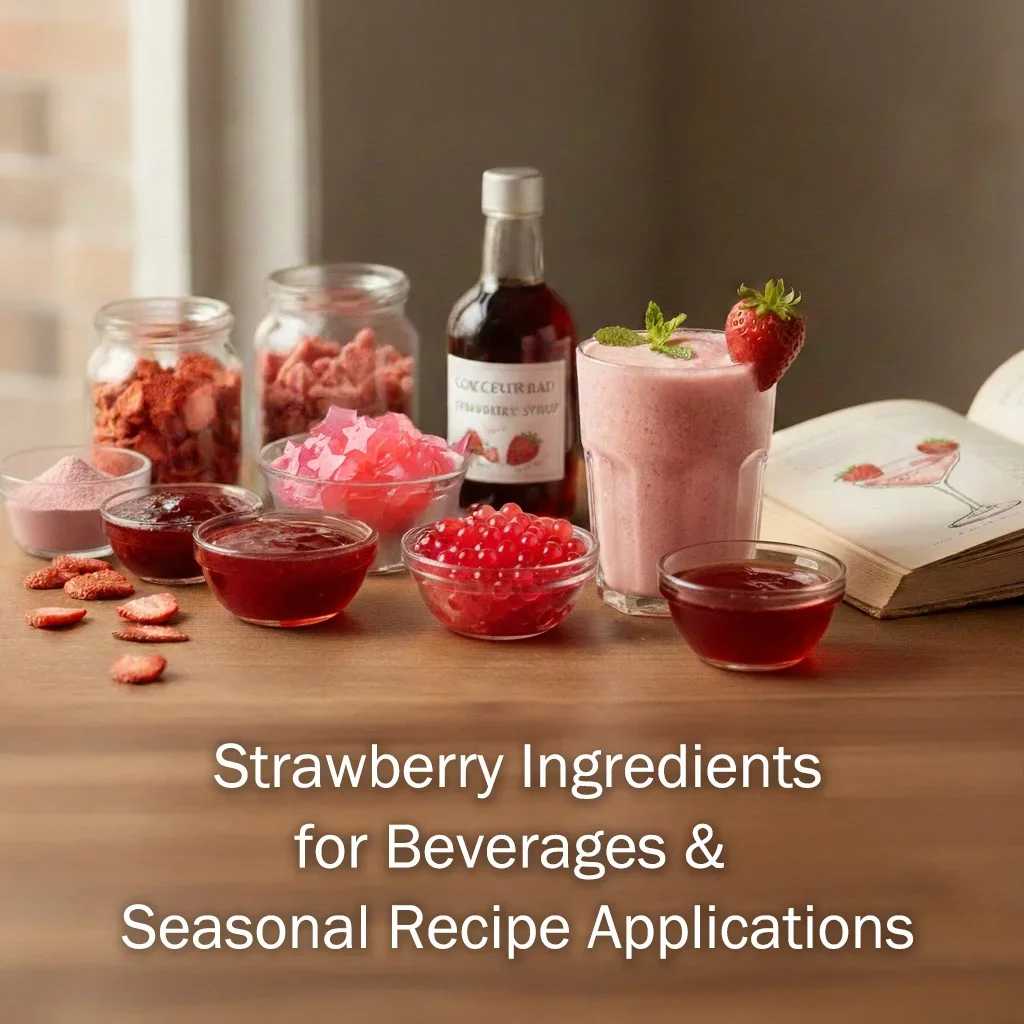
Strawberry Ingredients for Beverages & Seasonal Recipe Applications
Strawberry is more than a seasonal flavor—it is a versatile beverage ingredient for year-round use.
This Strawberry Ingredient Hub explores strawberry ingredients for beverages, showing how recipes and applications can be transformed into scalable, market-ready drink solutions.

Christmas Drink Recipes
This Christmas drink recipes collection brings together new seasonal concepts and classic returns, created for bubble tea shops and beverage brands seeking scalable, commercially practical festive menus.

How to Choose the Right Bubble Tea Machine & Equipment?
Don't let the wrong equipment stall your growth. In a competitive global market, the key to a successful bubble tea shop isn't just taste—it's efficiency and consistency. Why is the US market shifting towards "Smart Solutions"? How do the right sealer and tea brewer define your turnover rate? We break down the selection logic you need to know before investing.

Vibe Check: 16 Aesthetic Drinks to Match Your Personality
Aesthetic Drinks & Creative Ideas: Match Your Vibe to 16 Personality Flavors

Halloween Drink Ideas & Spooky Dessert Recipes
Trick or treat your taste buds with Hojalicious!
Our Halloween drink ideas and spooky dessert recipes are here to turn your café menu into pure seasonal magic —
from glowing blueberry potions to pumpkin lattes and monster matcha delights.
Playful, photo-worthy, and irresistibly spooky-cute — this is how Halloween should taste.
Fall Recipes Collection|Warm Drinks and Sweet Autumn Moments
Welcome to the season of caramel, tea, and creamy foam — the cozy trio that defines fall.
When the air carries the scent of osmanthus and caramel, autumn officially begins.
The moment leaves turn golden, your taste buds awaken to a brand-new chapter of flavor.
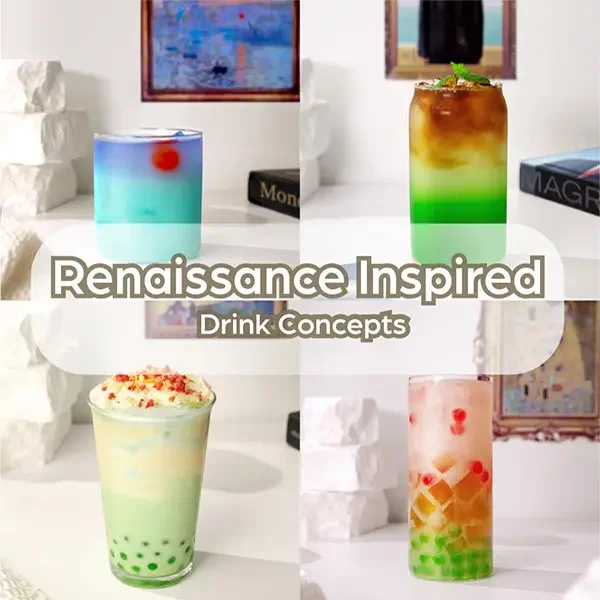
Renaissance-Inspired Drink Concepts
Every glass tells a timeless art story, where Renaissance inspiration meets modern mixology in perfect harmony.
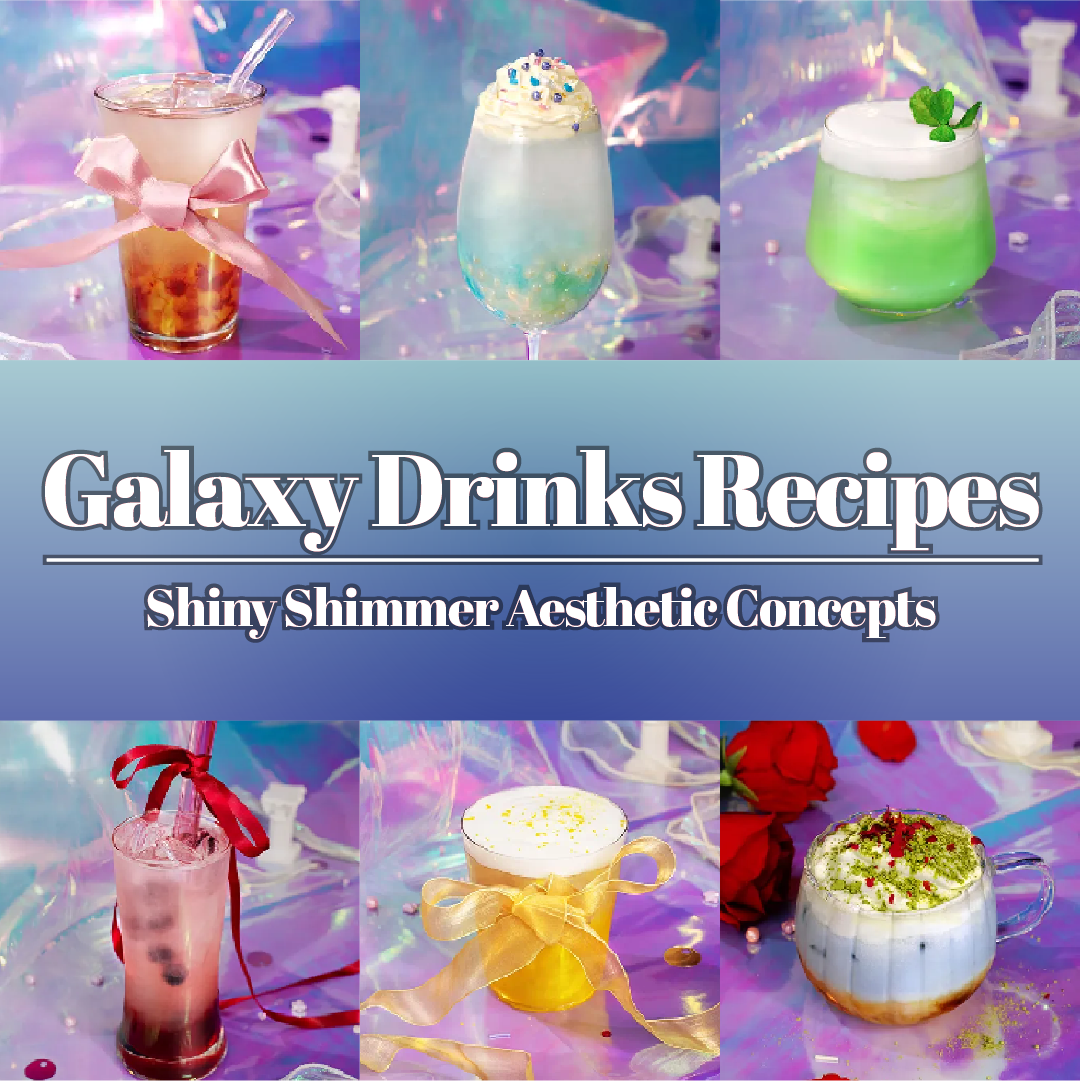
Galaxy Drinks Recipes: Aesthetic Shimmer & Gradient Guide
From shimmering Galaxy Layers to dazzling Starlight Jellies, these drinks, inspired by cosmic aesthetics, are not just gorgeous—they are social-ready, brand-friendly, and totally trend-worthy.
Ready to take your milk tea business to the next level?
Explore our Products Page to discover the finest ingredients, or contact us to learn more about how our Consultation Services can help you succeed. Don’t forget to subscribe to our blog for the latest industry insights and tips!