Premium Bubble Tea Ingredients (2026 Update)
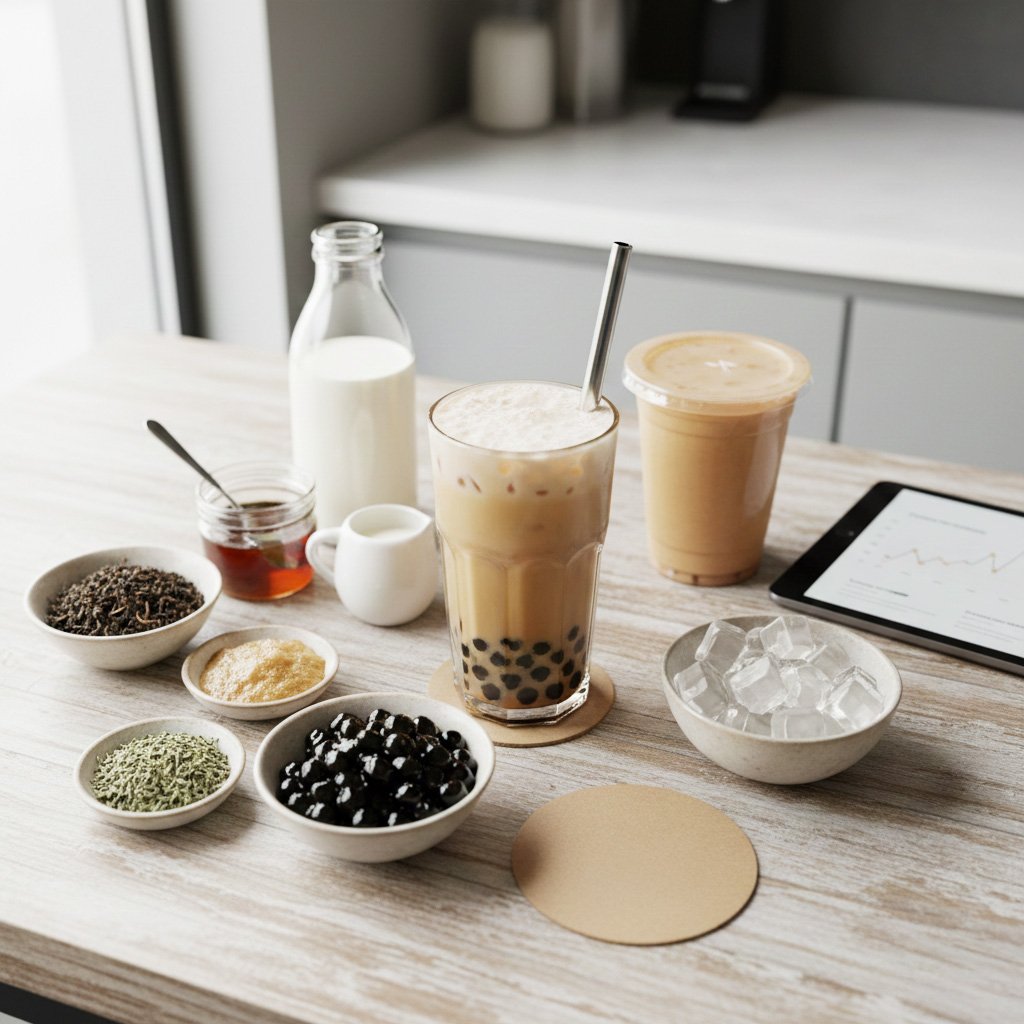
How to Choose High-Quality Boba Supplies — Tea Base, Powders, Syrups, Pearls & Toppings
Bubble tea (also known as Boba) is no longer just a trending drink from Asia — it has become one of the most iconic and fast-growing beverage categories worldwide. From North America to Europe, from shopping districts to university towns, bubble tea is now a global lifestyle product built on taste, texture, aesthetics, and social sharing.
As the market grows more competitive, customers have become more selective. They don’t just ask, “Is it sweet?” or “Is it creamy?” anymore. Instead, they pay attention to details such as:
Is the tea aroma clean and layered?
Does the drink feel heavy or overly sweet after a few sips?
Are the pearls consistently chewy every time?
Does the drink still taste good after delivery?
These details directly impact repeat purchases — and they determine whether a bubble tea brand can scale, expand into multiple locations, or even succeed internationally.
If you’re planning to open a bubble tea shop, grow a franchise, or source reliable boba tea supplies wholesale, this guide will walk you through the key ingredient categories that define premium bubble tea. You’ll learn what makes a high-quality drink stand out — and how to build a menu that is visually appealing, consistently delicious, and scalable.
What Is Bubble Tea (Boba)?
And Why Do Ingredients Define Your Brand?
At its core, bubble tea is built on a simple structure:
Tea base + creamy body + sweetness + pearls (or other toppings)
It may look easy to recreate, but the brands that truly deliver “premium quality” and strong customer loyalty aren’t relying on luck or fancy menu names. They succeed because they choose the right ingredients and build a repeatable system.
A great bubble tea experience typically delivers all of the following:
Clean, layered tea flavor (not just sugar and milk)
Balanced sweetness with a smooth finish (not sticky or overwhelming)
Consistency (every cup tastes the same across staff and stores)
Reliable texture (chewy pearls that hold up even for delivery)
Strong visual appeal (great color, layers, and “shareable” presentation)
That’s why ingredient sourcing isn’t only a cost decision — it’s a strategic decision that shapes your product quality, customer retention, and long-term brand growth.
The 4 Essential Ingredient Categories for Premium Bubble Tea
Most successful bubble tea brands focus on four core ingredient pillars:
Tea Base — defines aroma, depth, and drinkability
Sweetener System (Syrups & Fruit Syrups)— defines balance, finish, and signature flavor
Powders (Flavor Bases) — supports consistency, menu expansion, and visual appeal
Pearls & Toppings — defines texture and customer memory
If you build these four pillars correctly, it becomes much easier to create a premium menu that is both scalable and differentiated.
1.Tea Base: The Foundation of Aroma, Depth, and Drinkability
The tea base is the soul of bubble tea. Many shops treat tea as a background ingredient, assuming customers won’t notice it once milk and sugar are added. But premium bubble tea is different — customers can immediately taste when the tea is clean, aromatic, and well-balanced.
A strong tea base helps your drink deliver:
A clean aroma without harsh bitterness
Layered flavor (not flat or one-dimensional)
A tea character that remains present even with milk
Better performance in iced drinks (less likely to taste weak or sour)
Common Tea Base Options
In global markets, the most common tea bases include:
Black Tea — classic milk tea foundation, high customer acceptance
Green Tea / Jasmine Green Tea — fresh and light, ideal for fruit-forward drinks
Oolong Tea — more aromatic and complex, great for premium positioning
Pro tip: When choosing tea, don’t only focus on aroma. The key is whether the tea flavor stays stable and recognizable after milk, sweetness, and ice are added — especially for delivery-focused operations.
2.Sweetener System: Syrups & Fruit Syrups That Shape the Finish and Signature Taste
Sweetness isn’t just about making a drink sweet. It affects mouthfeel, balance, and the aftertaste. If sweetness feels sharp or sticky, customers may lose interest quickly — even if the drink looks good.
Base Syrup: Stable, Versatile, Easy to Standardize
Base syrup is widely used because it offers:
Stable sweetness level
Great compatibility across menu items
Easier standardization across staff and locations
Efficiency for high-volume operations
Fruit Flavored Syrups: A Fast Track to Signature Drinks and Seasonal Menu Drops
Fruit syrups are extremely valuable in global bubble tea menus because they help brands quickly create:
Stronger aroma and flavor recognition
More visually appealing drinks (layers, gradients, vibrant color)
Faster seasonal menu development
Social-media-friendly “limited edition” drinks
Key advantage: Fruit syrups aren’t only about adding flavor — they help you expand your menu faster while maintaining consistent quality and presentation.
3.Powder Ingredients: The Key to Consistency, Visual Appeal, and Scalable Menu Expansion
Powders are one of the most powerful tools in bubble tea product development. They are not simply “extra flavor” — they support a brand’s ability to deliver consistency, efficiency, and fast innovation, especially when scaling across multiple stores or expanding internationally.
Powders typically bring three direct benefits:
1) More Consistent Flavor (Every Cup Tastes the Same)
Powders provide a stable flavor base, helping drinks stay consistent even with different staff members, busy rush hours, or varying preparation environments.
2) More Consistent Appearance (Better Color, Better Photos)
Bubble tea success is strongly linked to aesthetics and shareability. Powders help maintain color intensity and visual consistency, making drinks more “camera-ready” and memorable.
3) Faster Product Development (Easier Seasonal & Trend-Based Launches)
The challenge of launching new drinks isn’t creativity — it’s whether the flavor can be produced reliably at scale. Powders help brands create repeatable flavor modules that can be rolled out quickly while maintaining quality.
How Powders Support Different Menu Strategies (Think “Positioning,” Not Just “Flavors”)
Instead of treating powders as random flavor add-ons, premium brands use them to build structured menu categories such as:
A. Tea-Forward Signature Drinks (clean, layered, premium feel)
Great for brands that want a more refined and drinkable profile.
B. Rich & Indulgent Bestsellers (bold flavor, strong customer memory)
Ideal for signature items that become “must-try” menu staples.
C. High-Visual Specialty Drinks (shareable, trend-friendly, seasonal-ready)
Perfect for layered drinks, fruit-forward menus, and social-media-driven launches.
D. Seasonal Limited Editions (fast launch, repeat purchase growth)
Powders make it easier to release new items quickly and replicate them across locations without sacrificing consistency.
Pro tip: The true value of powders is scalability. They help bubble tea brands differentiate while staying consistent — and some powders naturally have lower sweetness, making it easier to control overall sweetness and deliver a cleaner finish.
4.Pearls & Toppings: The Texture That Customers Remember
One reason bubble tea became a global phenomenon is texture. For many customers, bubble tea isn’t just about taste — it’s about the satisfying chew.
The best toppings don’t only taste good — they also need to perform consistently in real business conditions such as rush hours and delivery.
Common Topping Options
Tapioca Pearls — classic chewy boba, highest market acceptance
Crystal Pearls — lighter, refreshing texture, visually bright
Popping Boba — juicy bursting texture, great for younger audiences and high-visual drinks
📌Key takeaway: Beyond taste, topping stability is critical. A topping that holds up well during delivery and peak hours supports repeat purchases and brand trust.
How to Choose a Bubble Tea Ingredient Supplier (Wholesale Checklist)
If you’re sourcing boba tea supplies wholesale, don’t evaluate suppliers only by price. Instead, prioritize long-term reliability and scalability.
Key criteria include:
Consistency — stable quality across batches
Product Range — tea, syrups, powders, toppings in one supply system
Supply Reliability — lead times, inventory support, logistics readiness
Innovation Support — guidance for seasonal launches and menu development
Food Safety Standards — quality control aligned with market expectations
A strong supplier is not just a vendor — they become a growth partner.
FAQ: Bubble Tea Ingredients
Q1: What are the most important bubble tea ingredients?
Tea base and pearls are the most noticeable to customers. Syrups and powders help brands scale, stay consistent, and expand menus faster.
Q2: What do powders do in bubble tea?
Powders help improve flavor consistency, visual appearance, and product development speed, making them essential for multi-store operations and seasonal launches.
Q3: Are fruit syrups useful in bubble tea menus?
Yes. Fruit syrups are ideal for refreshing drinks, layered visuals, and trend-friendly seasonal items.
Q4: What should I look for in a wholesale bubble tea supplier?
Consistency, reliability, product completeness, and long-term support matter more than just pricing.
Conclusion: Premium Bubble Tea Is Built on Ingredient Strategy and Consistency
As bubble tea markets mature, customers increasingly value consistency. Premium bubble tea isn’t built on gimmicks — it’s built on a repeatable ingredient system:
Tea base defines aroma and depth
Syrups shape balance and signature taste
Powders support menu expansion and standardization
Pearls and toppings create the texture customers remember
When these four pillars are done right, your bubble tea brand becomes easier to scale, easier to replicate across locations, and easier for customers to remember.
👉 Want ingredient recommendations for your market?