
Tapioca Pearls Drink: Commercial Beverage Guide
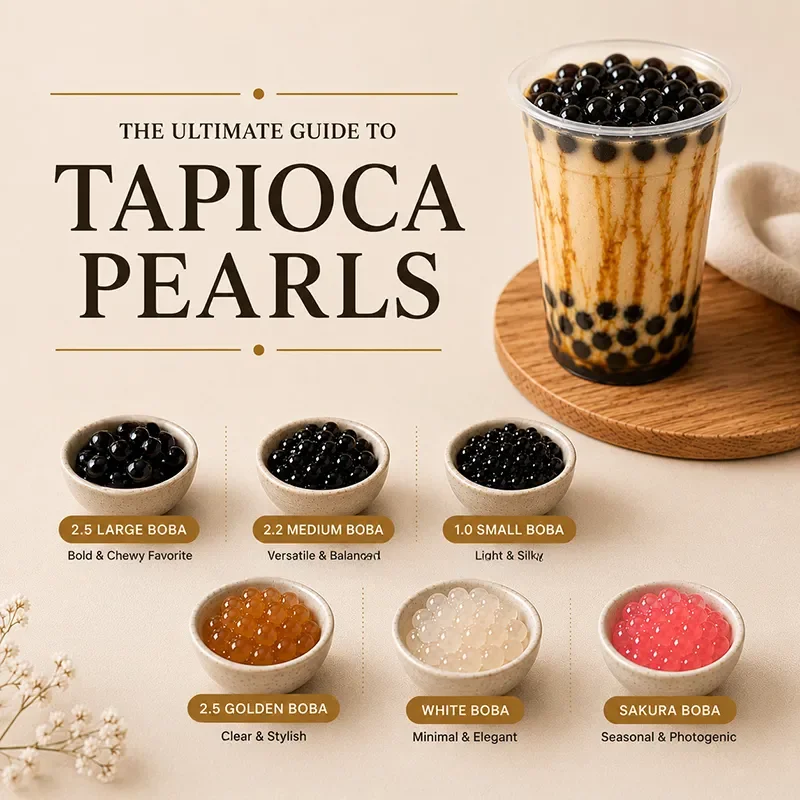
Tapioca Pearls Drink Applications for Modern Menus
Today’s beverage scene moves fast. Creating an irresistible tapioca pearls drink is no longer just about classic brown sugar milk tea—it is about crafting vibrant, photo-worthy drinks that taste amazing from the first sip to the last. Whether you are running a boutique coffee bar, a bubble tea concept, or an innovative beverage brand, tapioca pearls bring that craveable, chewy texture that keeps customers coming back.
When you develop a new drink with tapioca pearls, you want to see how the pearls shine alongside your favorite drink bases, toppings, and cup presentations. This guide highlights inspiring commercial drinks with tapioca pearls, practical ways to pair flavors, and smart kitchen prep habits that make daily service a breeze.
1. Inspiring Drink Pairings & Menu Concepts
Tapioca pearls are incredibly versatile. Instead of sticking to one traditional recipe, you can pair different pearl styles with rich teas, fruity bases, or craft coffee. Here are three tested drink concepts that show how tapioca pearls elevate modern menus:
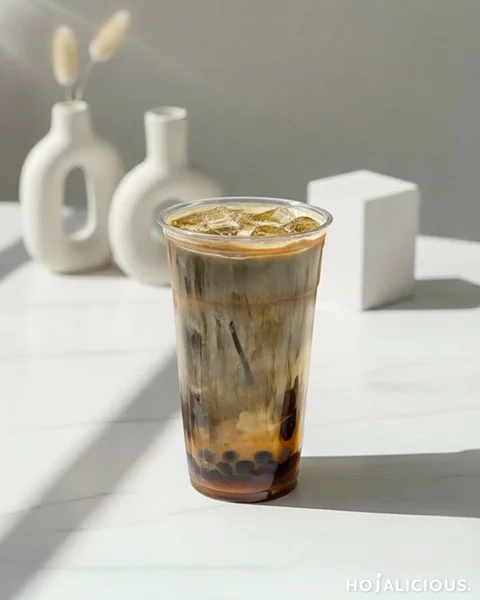
Roasted Oolong Brown Sugar Boba Milk Tea (Bold Tea & Caramelized Chew)
Why it works: Deeply roasted teas like Tie Guan Yin or Roasted Oolong have a warm, toasty aroma that cuts through rich milk. Pairing classic chewy boba with a dark-roast tea base strikes the perfect balance—sweet and comforting without feeling heavy. It is an instant signature drink that anchors any classic menu.
Try the concept: Explore the Brown Sugar Boba Milk Tea Recipe

Golden Pineapple Mango Green Tea (Tropical Fruit & Translucent Sparkle)
Why it works: Clarified green teas infused with tropical pineapple and mango are built on crisp acidity and refreshing flavors. Traditional dark pearls can sometimes make a vibrant fruit tea look muddy. Using translucent Golden Tapioca Pearls adds a fun, sunny pop of color and bouncy texture while letting the natural tropical fruit flavors take center stage.
Try the concept: Explore the Golden Pineapple Mango Tea Recipe

Sea Salt Matcha Bubble Tea (Layered Aesthetics & Fast-Cook Convenience)
Why it works: Modern drink lovers adore beautiful layers and contrasting flavors. This build pairs earthy green matcha with creamy milk and a velvety sea salt cheese cap, grounded by warm brown sugar boba at the bottom. Using Fast Cook Brown Sugar Boba makes this craft beverage quick and effortless to assemble during peak hours without sacrificing chewiness.
Try the concept: Explore the Sea Salt Matcha Bubble Tea Recipe
2. Flavor & Texture Harmony: How Pearls Pair Across Drink Bases
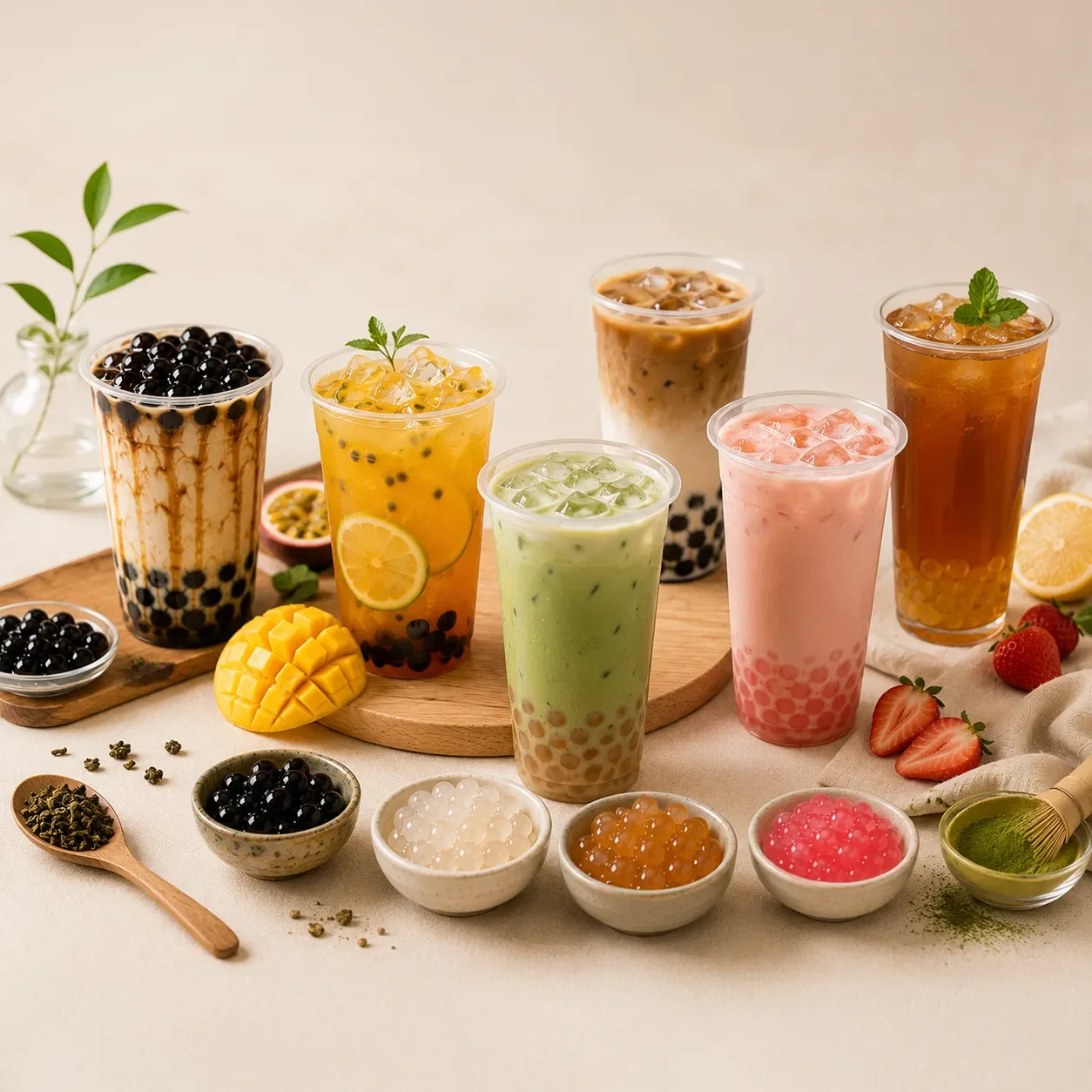
When adding pearls into your lineup, look at how the drink base and the pearls complement each other:
Classic Milk Tea: The timeless favorite. The creamy dairy notes coat the pearls, keeping them soft and chewy while you drink. Brew your tea base slightly bolder to let the tea fragrance shine through the sweetness.
Fruit Tea & Lemonades: Refreshing and tart. Because pearls are usually coated in syrup, balance your base sweetness so the drink keeps its bright, juicy punch. Translucent golden or white pearls look stunning in clear cups.
Cold Brew & Iced Lattes: Coffee and boba make an incredible team. The caramelized sweetness of brown sugar pearls naturally softens the roasted bitterness of espresso and cold brew, turning your daily coffee into an indulgent treat.
Matcha & Hojicha: Earthy and aromatic. Delicate green matcha drinks pair best with lighter golden or amber pearls to preserve crisp color layering and clean tea notes.
Oat Milk & Plant-Based Bases: Naturally creamy with subtle grain sweetness. Swirl the cup right after assembling so the pearls distribute evenly through the velvety plant milk.
3. Multi-Topping Balance: Getting the Chew Just Right
Layering multiple toppings—like pearls with coconut jelly, popping boba, egg pudding, or cream caps—is one of the most exciting trends on modern menus. To keep your drinks with tapioca pearls fun to sip rather than exhausting to chew:
Keep the Solid-to-Liquid Ratio Balanced: A great drink should always be easy to enjoy through a straw. Keep total toppings to about a third of the cup so there is plenty of refreshing liquid to wash each bite down.
Mix Different Textures: Tapioca pearls provide that signature bounce. Pair them with softer, silky toppings (like grass jelly or tender pudding) rather than competing hard toppings so every sip feels effortless.
Mind the Sweetness: Since pre-made toppings release sweetness into the drink as it sits, dial back the syrup in your liquid base slightly for multi-topping builds.
4. Bubble Tea with Tapioca Pearls: Keeping Pearls Soft and Chewy
Whether your guests are searching for bubble tea with tapioca pearls, bubble tea tapioca pearls, or tapioca pearls bubble tea, the biggest disappointment is a pearl that turns hard before the drink is finished. You can easily keep pearls tender with one simple barista workflow:
Don't Dump Ice Directly on Warm Boba: Freshly prepped pearls are warm and tender. If you ladle warm boba into a cup and dump cold ice cubes directly on top, the sudden temperature drop tightens the pearls, creating a firm bite right away.
The Pre-Chilled Pouring Habit: The best way to build the drink is to shake your tea base, milk, and ice together in a shaker first. Once the liquid is nicely chilled, pour it over the boba in the serving cup. The cold liquid cushions the pearls gently, keeping them bouncy and delicious for takeaway and delivery orders.
5. Practical Kitchen Prep for Busy Beverage Bars
When bringing tapioca pearls into your daily prep, figuring out how to prepare tapioca pearls for drinks and how to prepare tapioca pearls for a bubble tea shop comes down to smooth kitchen habits.
Boiling Equipment & Heat Recovery
When setting up your workflow for cooking tapioca pearls for commercial beverage service and how to boil tapioca pearls for commercial use:
Give Pearls Plenty of Water: When pearls enter boiling water, having generous water volume allows them to float and circulate freely, preventing them from catching at the bottom of the pot.
Keep a Gentle Roll: After the initial boil, adjust the heat to a steady, gentle simmer so the pearls roll naturally without crashing against each other.
Handling Peak-Hour Rushes
Managing how to prepare tapioca pearls during high-volume service is all about staying ahead of the crowd:
Staggered Batches: Instead of cooking one massive pot for the entire day, prep fresh batches timed right before your busiest rush hours. This ensures your customers always get pearls at peak chewiness.
Warm Holding: Once rinsed, fold your pearls with their holding syrup and keep them in a dedicated countertop warmer. Keeping them pleasantly warm protects their tender bite all afternoon.
6. Fast Cook Boba vs. Regular Commercial Boba: Choosing What Fits Your Bar
When exploring how to cook tapioca pearls for bubble tea shops, both fast-cook and classic regular formats have clear advantages depending on your setup:
| What to Consider | Fast Cook Brown Sugar Boba | Regular Commercial Boba |
|---|---|---|
| Prep Speed | Fast turnaround; ready in minutes for on-demand prep | Classic commercial prep cycle for planned daily volume |
| Kitchen Footprint | Compact burners, induction stations, or simple warmers | Standard commercial burners, large stockpots, and prep space |
| Peak Rush Response | Quick small-batch replenishment during sudden crowds | Large-capacity batching prepped before service starts |
| Flavor Profile | Infused with rich brown sugar flavor ready to serve | Clean, neutral base ready for custom signature syrups |
| Best-Fit Bar Concepts | Coffee shops, dessert bars, food trucks, and compact kiosks | Dedicated boba shops and high-volume flagship drink venues |
7. Quick Troubleshooting Behind the Bar
If you notice inconsistencies between shifts, here is a quick cheat sheet for your team:
| What You Notice | Why It Happens | Quick Fix |
|---|---|---|
| Pearls feel a bit firm in the center | Pot wasn't kept covered during resting. | Keep the lid tight during the resting cycle; follow product guidelines. |
| Outer skin feels too soft | The water was boiling too aggressively. | Turn the burner down to a gentle rolling simmer; stir gently. |
| Pearls sticking together in the bowl | Rinsed too quickly or syrup added too late. | Rinse with clear water and fold in holding syrup immediately after draining. |
| Bottom of the cup is overly sweet | Too much holding syrup carried into the cup. | Use a slotted boba scoop and pause for a second to drain excess syrup. |
| Pearls harden quickly in cold drinks | Warm pearls were shocked with ice directly. | Chill and shake the tea with ice first, then pour over the pearls. |
8. Testing Pearls with Your Actual Menu
Before officially putting a new tapioca pearls drink on your printed menu, take a little time to test under real shop conditions:
Test in Full Drinks
Pair the pearls with your real tea bases, milk options, and sweetness levels to make sure the flavors taste great together.
Test with Real Cups & Straws
Sip the drink using your actual wide-bore straws to ensure the pearls draw up smoothly without getting stuck.
Have Different Baristas Prep:
Let a few different team members prep a batch using your everyday bar equipment to confirm the steps are easy to repeat.
Test Daily Volume:
Prep a batch size that reflects your expected daily demand to make sure your pots and warmers handle the pace comfortably.
9. Commercial FAQ
Can Tapioca Pearls Be Used in Drinks Other Than Milk Tea?
Yes! Tapioca pearls taste incredible in iced cold brew, fruit teas, matcha lattes, and plant-based milks.
Simply match your holding syrup to the drink base—rich brown sugar syrup pairs naturally with coffee and milk, while clear cane syrup lets bright fruit teas shine.
How to Prepare Tapioca Pearls for Drinks in Commercial Service?
When planning how to prepare tapioca pearls for drinks, focus on your daily workflow and equipment capacity.
Calculate batch sizes around your busier hours, ensure your pots allow pearls to float freely, and always follow the manufacturer's technical specifications for your specific pearl format.
How to Prepare Tapioca Pearls for a Bubble Tea Shop?
Setting up how to prepare tapioca pearls for a bubble tea shop works best when you align prep times with your daily rush hours.
Staggering batches throughout the day keeps pearls fresh and tender.
If you want hands-on advice on equipment and bar workflow, you can contact Hojalicious about startup training .
What Should Operators Consider When Boiling Tapioca Pearls for Commercial Use?
When planning how to boil tapioca pearls for commercial use, make sure your burners have enough heat to bring water back to a boil quickly after adding the pearls.
Keep the water at a gentle roll so the pearls circulate smoothly without rough friction, and follow the product guide for resting times.
How Should Beverage Businesses Test Tapioca Pearls Before Adding Them to a Menu?
Test your pearls inside your complete drinks using your real cups, straws, and tea bases.
Testing under realistic service conditions gives your team confidence that your new tapioca pearls drink will look appealing, taste balanced, and deliver the intended texture before launch.
10. Explore Hojalicious Tapioca Pearls
Ready to bring exciting new textures to your beverage lineup? Hojalicious offers a wide variety of tapioca pearls—from classic boba and translucent golden pearls to convenient fast-cook brown sugar formats tailored for modern beverage bars.
Explore Our Tapioca Boba Lineup:
Browse sizes, colors, and product formats designed for beverage brands.
Get in Touch for Samples & Training:
Connect with our team for menu inspiration, sample requests, and startup training.
