
Dessert Sushi Ideas: Realistic Jelly Sushi for Cafés
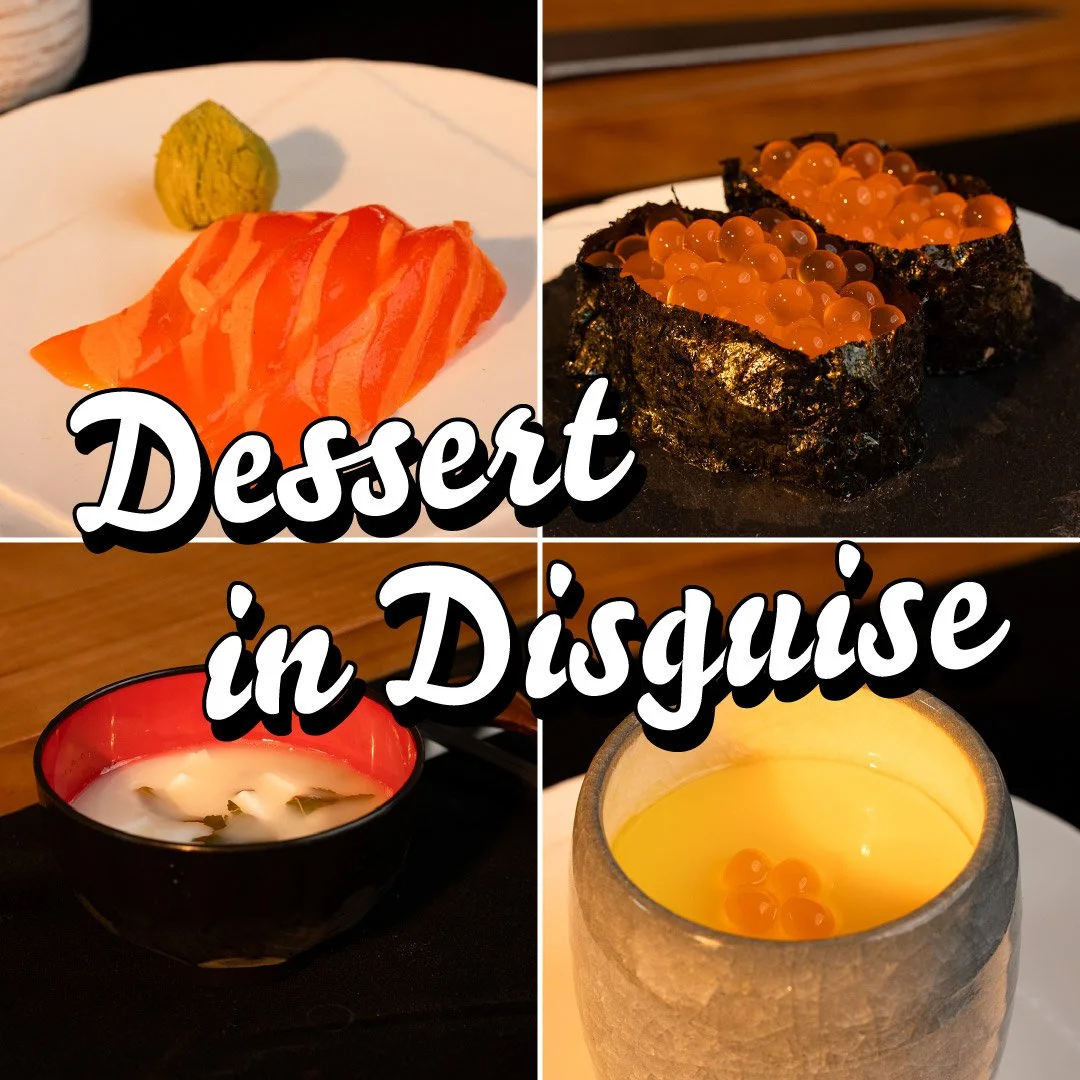
In today’s saturated beverage and dessert market, differentiation is no longer just about flavor—it’s about creating an experience that customers can recognize, remember, and share.
If you're exploring dessert sushi ideas that go beyond novelty and into brand identity, Hojalicious presents a concept that sits at the intersection of culinary design and visual storytelling.
Inspired by the precision and minimalism of Japanese cuisine, these realistic dessert sushi creations reinterpret familiar forms using jelly, coconut, pudding, and popping boba—transforming traditional sushi aesthetics into a refined, unexpected dessert experience.
🌿 Why This Concept Resonates
The appeal of dessert sushi lies not only in its visual intrigue, but in how it aligns with modern consumer behavior.
At first glance, it creates a moment of confusion—something recognizable, yet subtly different. This visual illusion naturally draws attention, encouraging interaction, photography, and sharing.
At a deeper level, the use of Japanese-inspired aesthetics introduces a sense of structure, balance, and craftsmanship—qualities that are widely associated with premium dining experiences across global markets.
More importantly, these dessert sushi ideas are not one-off creations. They represent a modular concept that can evolve into a cohesive product line, allowing brands to build consistency while maintaining creative flexibility.
🍣 Flavor & Ingredient Insight 🍣
At its core, this concept is not just about appearance—it’s about structure. Each ingredient plays a dual role: contributing to both flavor and visual composition.

1. Coconut Jelly Sashimi|Structure and Precision
Built on a base of coconut milk powder and agar powder, this element delivers a smooth yet stable texture that can be cleanly sliced—mirroring the delicate form of sashimi.
Layered with orange syrup and roselle syrup, it achieves a natural marbling effect, where color and translucency interact to create depth.
This balance between neutrality and brightness allows the dessert to remain visually striking while maintaining a clean, approachable flavor profile.
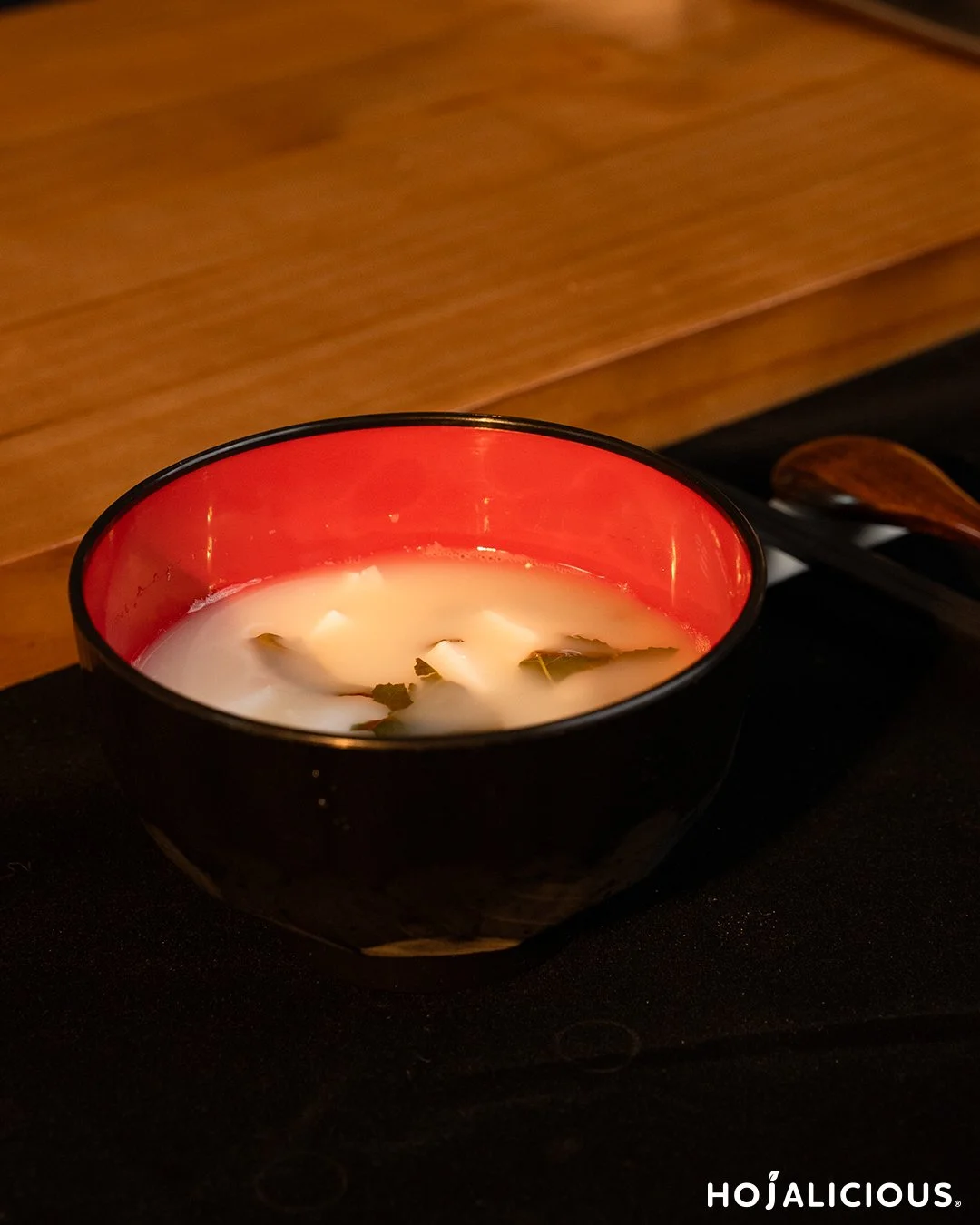
2.🍵Yakult Green Tea “Miso Soup”|Contrast and Interpretation
This piece leans into conceptual transformation.
The gentle acidity of yogurt sugar syrup is paired with the earthy notes of green tea, forming a flavor structure that is both refreshing and layered. Combined with coconut jelly, it creates a visual resemblance to miso soup—blurring the line between expectation and reality.
Rather than imitation, this is a reinterpretation of form through flavor.
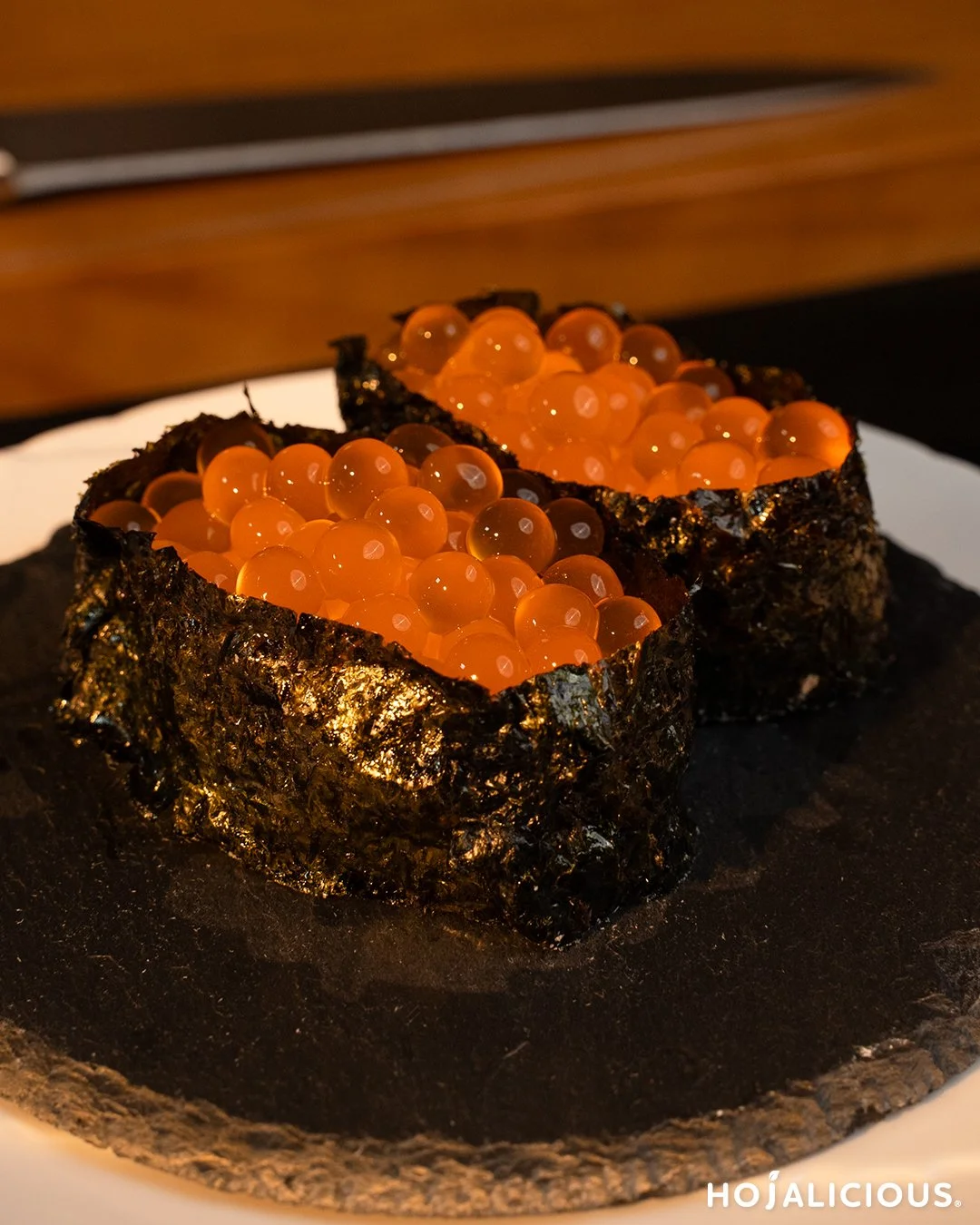
3. 🍙Popping Boba Sushi|Texture in Motion
Using peach popping boba as its focal point, this component introduces a dynamic element into the experience.
The burst of juice upon biting contrasts with the surrounding structure, creating a moment of surprise that enhances memorability.
Visually, the glossy spheres naturally resemble fish roe, reinforcing the illusion while adding a vibrant, playful dimension.

4.🍮Pudding Chawanmushi|Softness and Familiarity
In contrast to the more visually striking elements, this pudding-based creation offers a sense of comfort and balance.
Made with pudding powder and finished with popping boba, it delivers a smooth, familiar texture with a subtle twist.
Within the overall concept, it serves as a stabilizing element—bridging innovation with accessibility.
🏪 From Concept to Menu Design
When translated into a real-world setting, these dessert sushi ideas function as more than individual items—they become a system of visual identity.
Whether presented as a curated dessert set, a seasonal feature, or a signature concept, they allow brands to establish a distinct narrative that extends beyond taste.
For cafés and beverage brands, this type of offering supports:
A stronger visual presence
Increased social engagement
A more defined brand aesthetic
It invites customers not only to consume, but to experience—and to share that experience.
💡 Pro Tips for Beverage & Dessert Brands
To successfully integrate this concept, the focus should remain on consistency and intentional design.
Agar provides structural stability and clean slicing, ideal for commercial application
Color contrast and translucency are key to achieving realistic visual effects
Including at least one “familiar” item helps balance experimentation with conversion
Treat the concept as a design system, not a one-time novelty
When executed thoughtfully, these creations become more than products—they become part of how a brand is perceived.
